When a brand spends thousands on a single influencer campaign, there’s always one big question: is it really worth it? For many marketers, the answer is starting to shift—toward AI influencers. These digital personalities are not just reshaping how we see social media, they’re rewriting the rules of branding itself. And the best part? They never miss a deadline, never go off-message, and never need a reshoot.
In the past few years, AI influencers have gone from experimental CGI figures to full-fledged marketing powerhouses. As brands search for authenticity, consistency, and cost-effective ways to reach audiences, AI-driven models have become a surprising yet smart choice. But what exactly are they, and why is everyone talking about them?
Key Points
- The Rise of AI Influencers in Modern Marketing: AI influencers are digital characters created through AI that act, speak, and engage like real humans on social media, offering brands a new way to connect with audiences.
- Why Brands Are Embracing AI-Driven Ambassadors: AI influencers provide consistency, availability, and risk reduction, making them attractive for global campaigns and brand control compared to traditional human influencers.
- Cost-Effective Creativity and Campaign Flexibility: Virtual influencers can rapidly produce varied content in different settings, significantly reducing production costs and increasing creative flexibility for brands.
- Differentiating AI Influencers from Virtual Avatars: Unlike simple digital avatars, AI influencers are equipped with advanced algorithms allowing them to think, learn, and interact, making their engagement more organic and authentic.
- Benefits of AI Influencer Marketing for Modern Brands: AI influencers offer better control over brand messaging, faster content production, scalability, and real-time audience insights, enhancing marketing effectiveness.
How AI influencers are redefining modern marketing
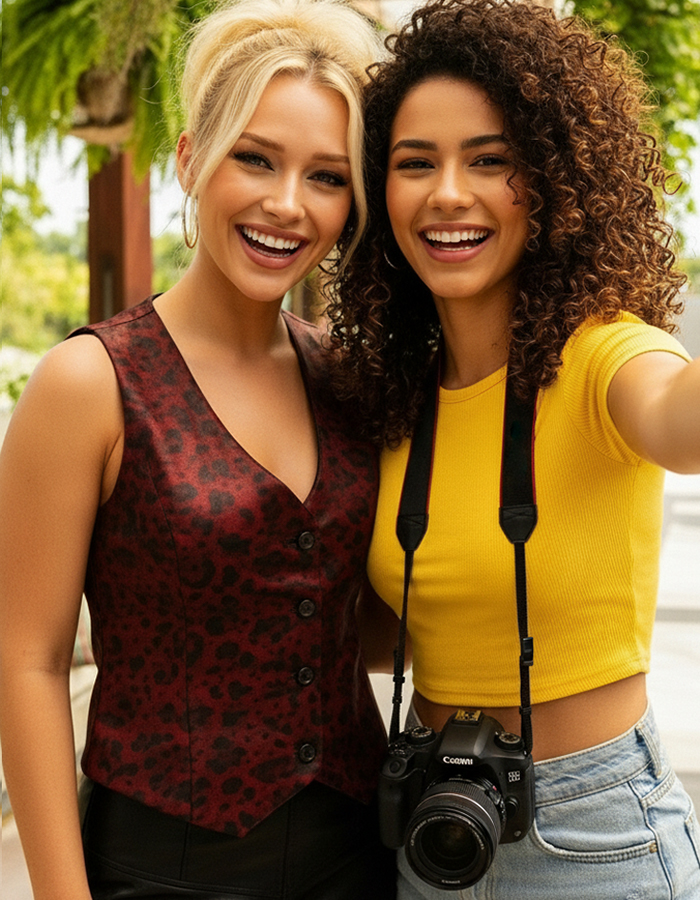
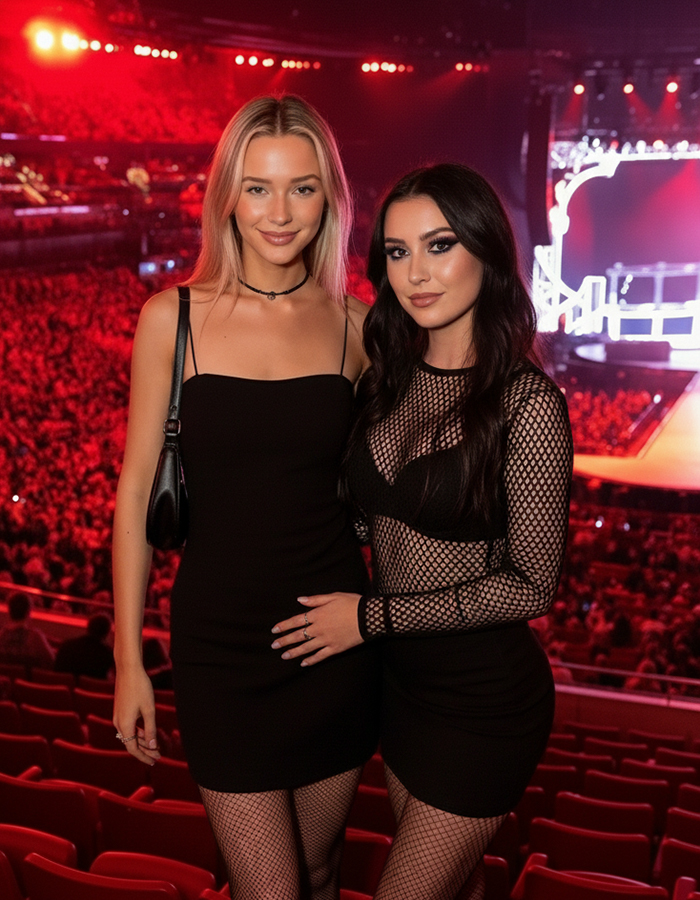
AI influencers are digital characters created through artificial intelligence, designed to act, speak, and engage like real humans. They can post on Instagram, collaborate with brands, and even interact with followers in comments—all while being completely virtual. Unlike traditional influencers, every move they make is controlled, scripted, and optimized for brand messaging.
The rise of virtual personalities in social media
Platforms like Instagram, TikTok, and YouTube are filled with AI-based models who look almost indistinguishable from real people. From fashion icons like Lil Miquela to futuristic avatars representing tech brands, AI influencers have become part of our daily scroll. This rise isn’t accidental—it’s driven by the increasing demand for fresh, safe, and perfectly aligned brand representation.
Why brands are embracing AI-driven ambassadors
For global companies, working with human influencers can be unpredictable—contracts, scheduling conflicts, or even public scandals can disrupt campaigns. AI influencers eliminate these risks. They’re consistent, available 24/7, and can adapt instantly to different markets or languages. That reliability makes them an appealing option for brands focused on global reach and message control.
Cost-effective campaigns with limitless creativity
Another major reason brands are turning to AI influencers is creative flexibility. From changing outfits and locations to producing photo shoots in minutes, virtual models can generate an entire campaign at a fraction of traditional production costs. For example, instead of renting studios or flying crews across the world, a brand can create stunning visuals using 3D and AI-generated environments—instantly and repeatedly.
What makes AI influencers different from virtual avatars
It’s easy to confuse AI influencers with traditional digital avatars, but there’s a key difference: intelligence and storytelling. AI influencers are not just designed to look human—they’re built to think, learn, and interact through advanced algorithms and real-time engagement systems. This makes their communication feel organic, not robotic.
Personality and brand alignment through storytelling
Each AI influencer is designed with a defined personality—style, values, tone, and even backstory. This allows brands to match their campaigns with an influencer whose digital persona perfectly aligns with their identity. For instance, a sustainable fashion label might work with an AI influencer who promotes ethical living and minimalist aesthetics, ensuring both message and character feel authentic to followers.
AI-generated content and emotional engagement
Through natural language models and emotional design, AI influencers can respond to comments, tell stories, and even build fan relationships. Followers see them as more than digital figures—they become relatable characters who evolve with time. That’s why audience engagement levels with AI influencers are often equal to or higher than those of real ones.
Consistency across regions and platforms
Since AI influencers can be programmed to communicate in multiple languages and adapt to local trends, they are ideal for international brands. This consistency ensures that whether the audience is in Tokyo, New York, or Paris, the message remains unified, culturally aware, and on-brand.
How AI influencer marketing benefits modern brands
AI influencers bring measurable advantages that traditional marketing methods can’t always guarantee. From lowering production costs to offering complete control over image and reputation, they bridge the gap between creativity and reliability.
Better control over brand messaging
With AI influencers, every caption, gesture, and collaboration is carefully crafted. There’s no risk of personal opinions damaging a brand’s image. Marketing teams can maintain full creative control while keeping content engaging and relatable.
Faster content production and scalability
AI models can produce multiple looks, styles, and visuals within hours. This means brands can scale content faster than ever, adapting to seasonal campaigns or social trends instantly. Especially in fast-paced industries like fashion or beauty, this agility becomes a competitive advantage.
Improved audience insights through AI data
Since these influencers are AI-based, they can analyze real-time engagement metrics and optimize their interactions. Brands gain direct insights into what visuals, tones, or messages perform best—helping refine future campaigns and improve overall marketing ROI.
Why the future of influencer marketing is already digital
As generative AI tools continue to evolve, the line between real and virtual personalities will blur even further. Brands that experiment early will not only save costs but also build futuristic storytelling strategies that resonate with younger, tech-savvy audiences. These audiences don’t see AI influencers as fake—they see them as creative expressions of a digital culture they already live in.
It’s clear that AI influencers aren’t replacing humans—they’re expanding what’s possible. They bring imagination, control, and scalability into a space where creativity meets technology. For global brands seeking authentic storytelling without traditional production limits, they’re quickly becoming a must-have element in modern marketing.
Interested in learning how your brand can work with AI models and virtual influencers? Visit AIInfluencerWorld to explore how digital personalities can power your next campaign. Or contact us to learn more about creating your own AI ambassador.
Follow me for more content like this about AI marketing, virtual influencers, and the future of digital branding.